Ceramic coating is worth it when what it does well matches the way you actually own your car, and it isn’t when the two don’t line up. A coating bonds to the clear coat and adds gloss, helps water bead and run off, and makes washing easier. It doesn’t stop stone chips, it isn’t scratch-proof, and it still needs regular washing.
Five questions settle the decision for most owners: how you wash, where the car lives, how long you’ll keep it, what condition the paint is in and what problem you want solved. If chip protection is the real goal, paint protection film is the better fit, and the sections below show where ceramic coating earns its place.
The Short Answer
Ceramic coating is worth it for owners who wash with some care, park outside or drive daily, and plan to keep the vehicle for a while. It’s less compelling for owners who rarely wash, want protection from physical damage, or hope a coating will fix marked paint.
The table below sets the two profiles side by side.
| A good fit if… | Probably less compelling if… |
|---|---|
| You want a deeper gloss and easier washing | You rarely wash the car |
| The car is parked outside or driven daily | Your main worry is stone chips and impacts |
| You plan to keep the vehicle for a while | You expect the coating to hide swirl marks |
| You’re happy to follow a simple care routine | You want a one-time fix with no upkeep |
What Ceramic Coating Actually Does
A ceramic coating is a protective layer applied to a vehicle’s exterior and bonded to the paint’s clear coat. When it’s prepared and applied properly, owners typically notice four things:
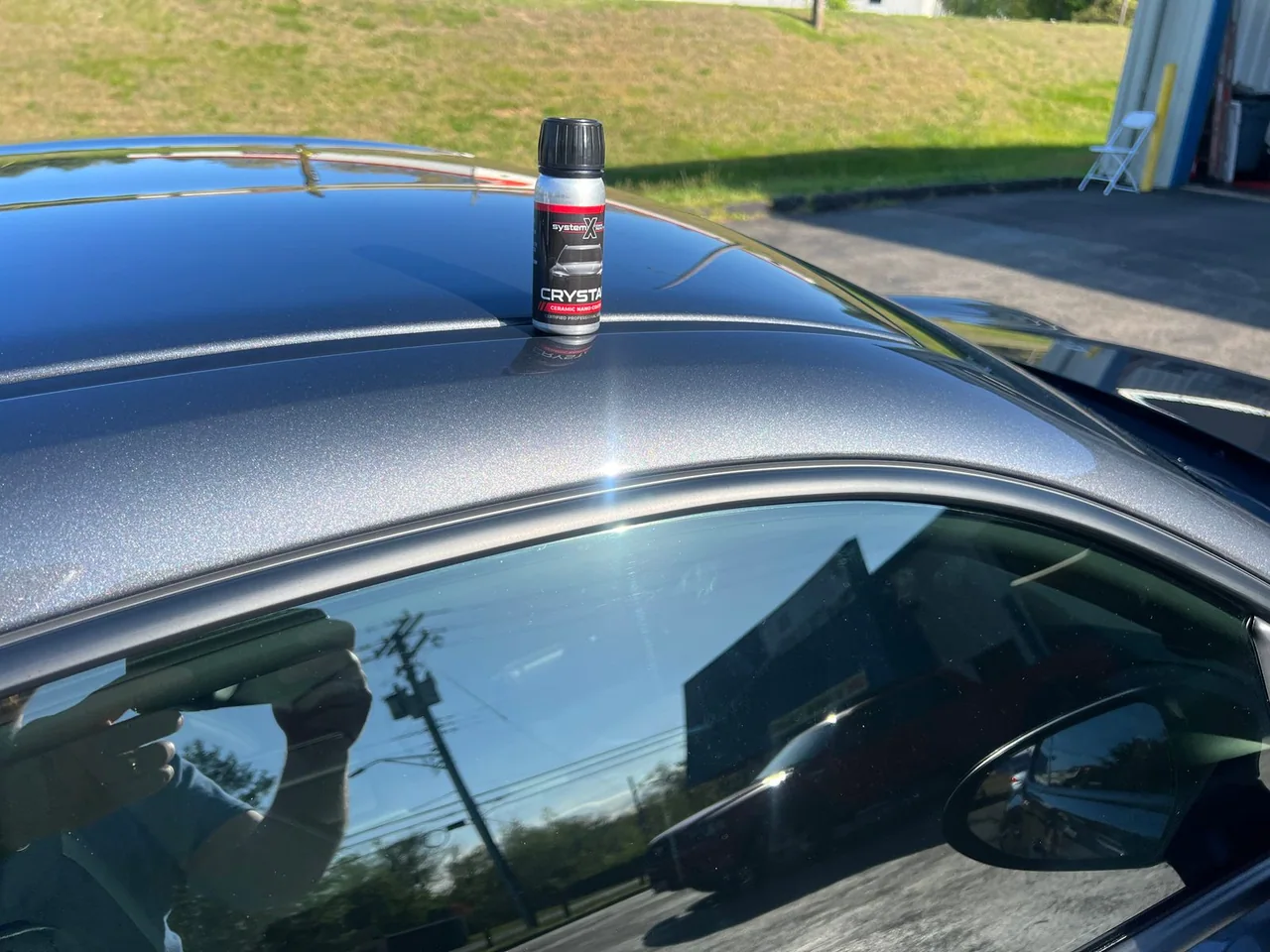
In everyday driving, those four benefits show up in distinct ways:
- Gloss and depth. The surface often looks richer and more reflective.
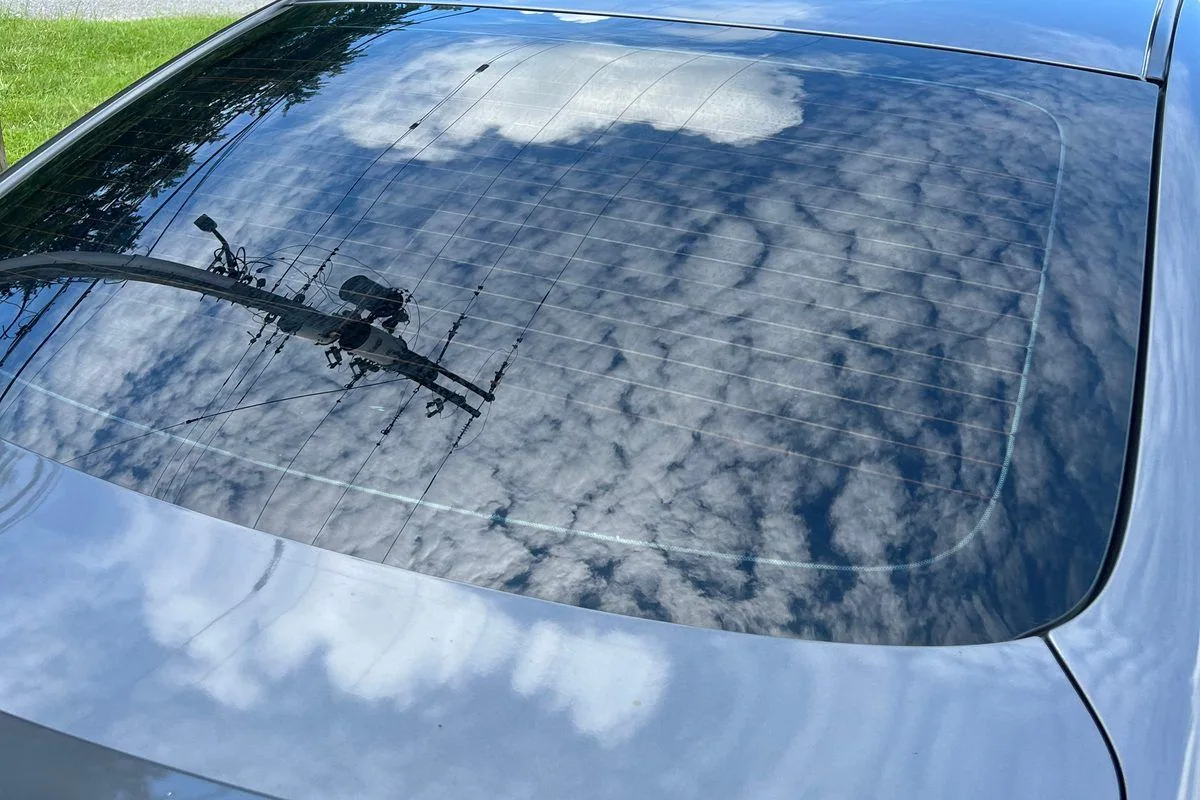
- Water behavior. Water tends to bead and sheet off instead of sitting flat, which is the hydrophobic effect people talk about.
- Easier cleaning. Dirt, road film and pollen have a harder time bonding to the surface, so washing usually takes less effort.
- Resistance to everyday exposure. A coating can help the surface resist UV exposure, oxidation, road grime and chemical contaminants.
Notice the wording: “tends to,” “often,” “can help.” How much of this you see depends on the preparation, the product, the application, the conditions the car lives in and how it’s looked after, and that’s true of every coating, whatever the marketing says. For a description of the service itself, start with our ceramic coating service page.
What Ceramic Coating Doesn’t Do
Ceramic coating doesn’t make paint scratch-proof, stop stone chips or replace washing. Specifically, it does not:
- Make paint scratch-proof. It’s a thin layer, not armor, and contact can still mark the surface.
- Protect against stone chips and impacts. That job belongs to paint protection film, which is a physical barrier.
- Replace washing. Dirt, pollen, road film and contaminants still build up. They’re just easier to remove.
- Hide or repair paint defects. Swirl marks, scratches and dullness need to be dealt with in preparation, not covered up afterward.
- Prevent every water spot, stain or etching issue. Mineral deposits, bird droppings and sap can still cause trouble if they’re left on the surface.
None of this makes coating a bad choice. It just means “worth it” has to be measured against what coating really does.
What a Coated Car Looks Like a Few Weeks In
A coated car looks glossier and cleans up faster, but it doesn’t stay spotless on its own. Dust, pollen and road film still land on it, water spots can still form if droplets dry in the sun, and a careless wash can still leave marks. If that picture sounds like what you’re after, coating is likely to feel worth it. If you were hoping for a car that never needs attention, no coating delivers that.
Five Questions That Decide Whether Ceramic Coating Is Worth It
Five questions about washing, parking, ownership, paint condition and purpose decide whether a coating pays off for you.
How Do You Wash the Car?
Careful washing is what turns a coating’s easier cleaning into a repeatable benefit. If you hand wash or use gentle methods regularly, the easier cleaning shows up every time. If the car mostly goes through brush-style automatic washes, those washes can still leave fine marks on any finish. And if it rarely gets washed at all, a coating can’t make up for that. It makes cleaning easier, but it doesn’t do the cleaning.
Where Does the Car Live?
The more exposure a car has, the more a coating has to work with. A garage-kept car faces less UV, pollen, sap and weather than one parked outside every night, though driving still brings road film and contamination. If you park outside around Odenton, Crofton, Severn or near Fort Meade, pollen season, summer sun and winter road treatments all tend to land on the paint. Owners in those communities can see how we approach ceramic coatings in Crofton and ceramic coatings for Severn drivers.
How Long Will You Keep It?
A coating is a longer-term decision than a wax. If you plan to keep the car for a long time, the benefits have room to add up; if you may sell or trade in soon, you’ll enjoy the finish for a shorter stretch and the return is smaller. We won’t put a lifespan figure on it here because it depends on too many variables. Our guide to how long ceramic coating typically holds up explains what those variables are.
What Condition Is the Paint In?
Paint condition sets the result, because a coating bonds to whatever surface is underneath it. Swirl marks and dullness may need to be corrected first. A coating won’t remove them and can preserve their appearance underneath. Preparation can be a large part of the job, which is one reason two coating jobs differ so much. If your paint is already marked, ask how it will be assessed and prepared, then decide whether the full result is worth it to you.
What Problem Are You Trying to Solve?
Ceramic coating is built for gloss and easier washing, while paint protection film is built for stone chips. If the goal is gloss and easier washing, coating fits. If the goal is protection from chips on a highway commute, film fits, and some owners want both. Our comparison of ceramic coating, PPF and wax walks through which option solves which problem.
How the Decision Looks for Different Owners
The same coating is a good fit for one owner and a poor fit for another.
The Daily Commuter
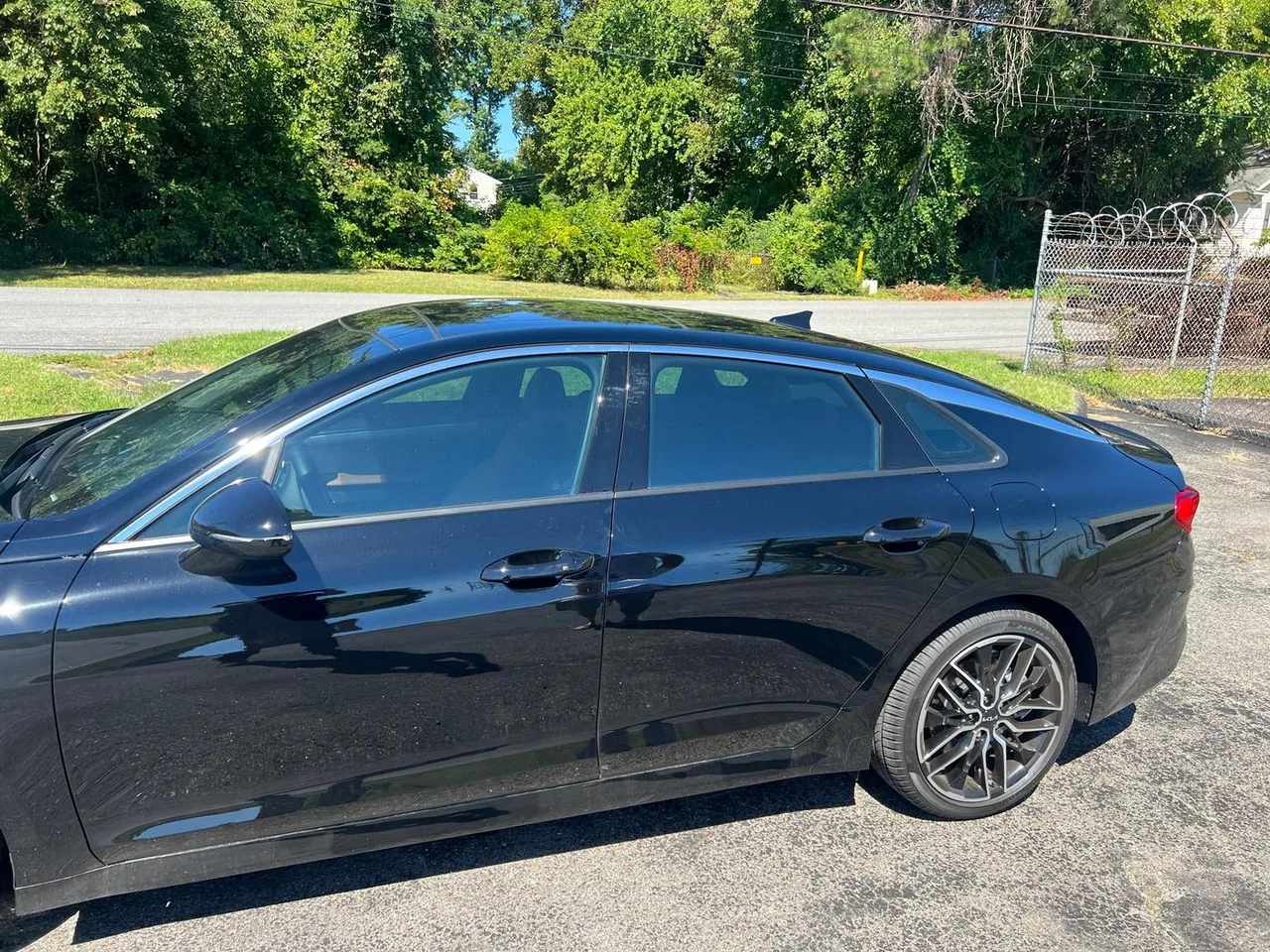
A commuter who drives every day, parks outside and washes regularly gets substantial practical value from a coating. The car cleans up faster, and the surface tends to cope better with pollen, road film and sun. If highway debris is the main worry, though, film for the front of the car is still worth thinking about.
The Weekend Car Owner
A garage-kept weekend car has a smaller practical case for coating, so the decision is more about preference than need. The gloss and easy cleaning may still appeal, and that’s a perfectly valid reason, as long as it’s an honest one.
The New-Car Owner
A new car gives a coating a clean starting point, but new paint isn’t untouched, so have it inspected first. Whether it’s worth it still comes back to the five questions: how you wash, where you park, how long you’ll keep the car and what you want protected.
Maryland Drivers
Maryland cars deal with pollen in spring, humid summers and road treatments in winter. A coated surface tends to be easier to rinse clean after a salty week or a heavy pollen spell. It’s still no substitute for washing, and it won’t protect against chips or scratches.
When Ceramic Coating Is Usually Worth It, and When It Isn’t
Coating is usually worth it when your habits and your car’s exposure give it plenty to work with, and it isn’t when the real goal is something it doesn’t do.
Signs It’s Worth It
Coating is a good fit when several of these signs apply:
- Gloss and faster cleanup. You want the car to look glossier and clean up faster between washes.
- Regular exposure. The car is driven daily or parked outside.
- Long ownership. You plan to keep the vehicle long enough to enjoy the benefits.
- Proper washing. You’re willing to wash it properly and follow basic aftercare.
- Paint condition. The paint is new or in good condition, or you’re prepared for the preparation it needs.
Signs It Isn’t the Right Call
Coating is usually the wrong call when any of these signs describe your situation:
- A chip worry. Your main concern is chips and impacts, and film is a better fit for that.
- Marked paint. The paint is heavily marked and you don’t want it corrected first.
- A zero-upkeep expectation. You want protection with no maintenance at all, and no coating provides that.
- Selling soon. You’re likely to sell the car very soon and won’t get much time with the finish.
Thinking About Value Beyond the Quote
Value depends on how much of a coating’s benefit applies to you, not only on the number on a quote. A coating that suits your washing habits, your parking and your plans may be good value even when it isn’t the lowest-quoted option, and one that doesn’t suit them is poor value however the quote looks.
Compare Scope, Not Totals
Comparing quotes means comparing scope. Look at what’s being prepared, what product is going on, which areas are covered and what aftercare is expected. A lower number isn’t necessarily a better deal if it leaves out the preparation that determines the result, and a higher number isn’t automatically better either.
Common Mistakes When Deciding
Most poor coating decisions trace back to a handful of avoidable mistakes. The common ones are:
- Buying for the wrong reason. Choosing a coating to stop stone chips, then being disappointed when it doesn’t. Match the product to the problem.
- Judging only by the headline number. Two quotes can cover very different work, so compare scope before cost.
- Skipping the paint assessment. Whether the paint needs preparation changes both the result and the work involved.
- Expecting no upkeep. A coated car is easier to clean, not self-cleaning.
- Treating marketing claims as guarantees. Words like “permanent” or “indestructible” don’t describe every coating, so ask what’s realistic for your car.
Questions to Ask Before Choosing Ceramic Coating
A short checklist turns the five questions into a tool for the quote stage.
- Your own habits. Answer the five questions honestly, especially the ones about washing and parking.
- Gloss or impact protection. Decide which matters more. If impact protection wins, look at paint protection film instead of, or alongside, a coating.
- Paint assessment. Ask for the paint to be assessed so you know what preparation is likely.
- Scope. Compare quotes on what’s included, not just the total.
- Aftercare. Ask what aftercare you’ll be expected to do.
Frequently Asked Questions
Is ceramic coating better than wax?
Ceramic coating and wax do similar-sounding jobs in different ways. Wax typically gives a shorter-lived finish, while a coating is designed to last longer and make cleaning easier. Our comparison guide covers the trade-offs in detail.
Is ceramic coating worth it for a new car?
A new car gives a coating a clean starting point, which makes it a reasonable candidate. But new paint still isn’t completely untouched, so have it inspected first. Whether it’s worth it still depends on how you wash, where you park and how long you’ll keep the car.
Is ceramic coating worth it for an older car?
An older car is worth coating when the paint is in reasonable condition and you’re willing to have it prepared properly. A coating won’t hide swirl marks, scratches or dullness, so the preparation matters more on an older car.
Is ceramic coating worth it if I keep the car in a garage?
A garage-kept car gets a smaller benefit from coating than one parked outside, but not none. A garage reduces exposure but doesn’t eliminate road film and contamination from driving. Weigh the benefit against how much you value the gloss and easier cleaning.
Does ceramic coating protect against scratches?
Not completely, because ceramic coating isn’t scratch-proof. It adds a protective surface layer, but it doesn’t replace the physical protection of paint protection film. Careful washing is still one of the most important ways to avoid fine marks.
Do I still need to wash a ceramic-coated car?
Yes, a ceramic-coated car still needs washing. Coating makes dirt easier to remove, but it doesn’t stop dirt, pollen and road film from building up. Regular, careful washing is part of getting the benefit.
Discuss Ceramic Coating for Your Vehicle
If you’d like to talk it through, call Dynamic Detailing & Tint at (410) 674-2430 or visit the ceramic coating page to explore the service. Before comparing shop estimates, see our breakdown of why ceramic coating quotes vary or explore auto detailing in Odenton.