What Actually Determines Coating Longevity
A coating’s real stated lifespan on a product label or service page reflects performance under reasonable conditions — it isn’t a guarantee that applies regardless of how the vehicle is subsequently cared for once it leaves the shop and returns to its owner’s normal routine. Several factors genuinely affect how close a coating comes to its stated potential over its full intended lifespan, and understanding them upfront tends to produce more realistic expectations than treating the stated number as an automatic outcome:
- Vehicle storage. A vehicle kept in a garage or otherwise sheltered from constant sun and weather exposure tends to retain coating performance longer than one parked outside year-round, simply because it experiences meaningfully less cumulative UV exposure and environmental contact over the same stretch of time. This isn’t a small or purely theoretical difference — two otherwise identical vehicles, one garaged and one parked outdoors continuously, can show noticeably different coating condition after just a year or two of real ownership.
- Mileage and usage. A daily-driven vehicle accumulates more washing cycles, more road contamination, and more general wear than one driven occasionally, which affects how quickly a coating’s hydrophobic behavior and gloss begin to noticeably diminish compared to how it looked immediately after application. A weekend car driven only a few thousand miles a year experiences a genuinely different wear pattern than a daily commuter racking up 15,000 miles or more annually.
- Washing habits. Improper washing — harsh automatic washes with worn brushes, dirty wash media that isn’t rinsed between passes, or infrequent washing that lets contamination sit for extended periods — can degrade a coating’s surface behavior meaningfully faster than gentle, regular hand washing would. This is genuinely one of the more controllable factors in the entire list, since washing technique is almost entirely within the owner’s own direct control regardless of where or how often the vehicle happens to be driven.
- Maryland’s seasonal conditions. Maryland’s mix of humid summers, winter road salt, and real temperature swings across the year all represent genuine environmental stress on a coated surface throughout a typical ownership period. None of this means coating fails quickly in Maryland specifically — it means the same coating on the same vehicle will generally perform differently depending on how much of this seasonal exposure it actually experiences and how promptly contamination gets addressed after each exposure event, whether that’s a winter storm or a summer’s worth of pollen.
What Causes Ceramic Coating Performance to Decline
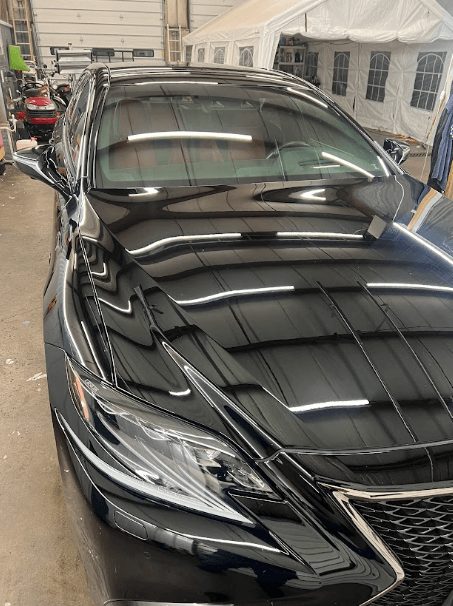
Coating doesn’t typically fail all at once — performance tends to decline gradually as the coating’s surface layer wears down from repeated washing, environmental exposure, and general use over months and years of real-world ownership. Reduced water beading, less pronounced gloss, and contamination that doesn’t rinse away as easily as it once did are all common signs that a coating’s performance is diminishing rather than the coating suddenly “stopping” on a specific date the way a warranty expiration date might misleadingly imply to a first-time customer. This gradual decline is a normal, expected part of how any protective surface treatment behaves over its lifespan, not a sign that something has failed or gone wrong prematurely, and understanding this upfront helps avoid unnecessary concern the first time an owner notices slightly less dramatic water beading than they remember from the day of installation.
Does a Coated Vehicle Still Need Washing?
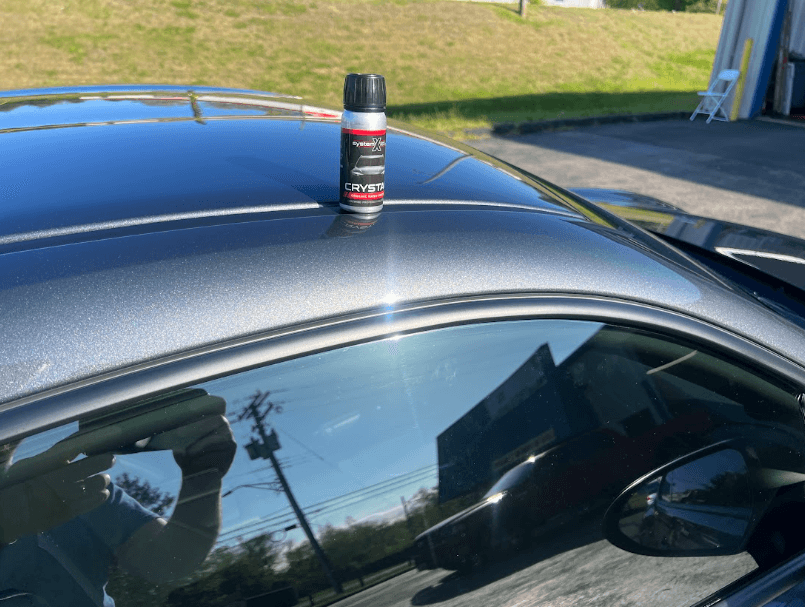
Yes, genuinely. Ceramic coating does not eliminate the need for regular washing, and it isn’t a substitute for routine vehicle maintenance of any kind. A coated vehicle still accumulates dust, pollen, bird droppings, and road grime the same way an uncoated one does — the coating changes how easily that contamination comes off, not whether contamination happens at all in the first place. Skipping regular washing, coated or not, allows contamination to sit longer than it should, which can affect both appearance and how well the coating continues performing over its intended lifespan. This is genuinely one of the most common misconceptions new coating customers have, and setting realistic expectations upfront tends to produce much better long-term satisfaction with the results.
Signs Coating Performance May Be Declining
A few practical indicators are worth watching for over time: water beading less dramatically than it did when the coating was new, contamination like bugs, tree sap, and bird droppings sticking more stubbornly than before, and an overall dulling of gloss compared to the vehicle’s appearance shortly after application. None of these signs mean something has gone wrong — they’re a normal part of how a coating’s protective layer gradually wears down with age and use, similar to how any protective surface treatment behaves over time regardless of how carefully it’s maintained. Noticing these signs is actually useful information, since it helps an owner decide when it might be worth considering a maintenance application or a fresh coating rather than being caught by surprise.
Does Professional Installation Matter for Longevity?
Application quality directly affects how a coating performs and how long it genuinely lasts in practice. Proper surface preparation — genuine decontamination and, where needed, paint correction before application — allows the coating to bond correctly to the surface, which affects both initial performance and how gracefully that performance declines over time as the vehicle ages through years of ownership. A rushed or improperly prepared application can mean a coating never performs to its full stated potential in the first place, regardless of how good the product itself is on paper or how it’s marketed.
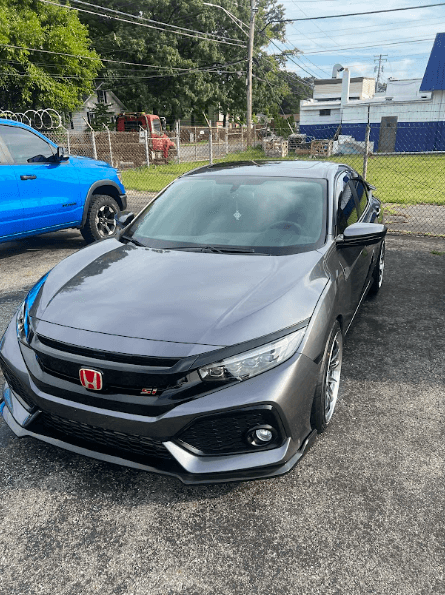
This is a genuinely common source of disappointment for owners who assume the product alone determines the outcome. Two vehicles coated with the identical product can perform very differently if one received proper decontamination and correction beforehand while the other didn’t — the coating in both cases is chemically the same, but the surface it’s bonded to is not, and that difference shows up in how the coating actually holds up over the following months and years. See the real difference between DIY and professional application for a deeper look at why this preparation step matters as much as the coating product itself, if not more, when it comes to realistic long-term performance.
Is Longevity the Only Factor Worth Considering?
Longevity is one meaningful factor in choosing a coating, but it genuinely isn’t the only one worth weighing before making a decision. Gloss level, ease of maintenance, and how the coating handles specific contamination types all matter too, and a shorter-duration coating that’s properly maintained may actually outperform a longer-duration coating on a neglected vehicle over the same period of time. Choosing based on stated lifespan alone, without factoring in your own realistic maintenance habits and storage situation, can lead to a genuine mismatch between expectations and actual results down the road.
Being honest with yourself about how the vehicle will actually be cared for tends to produce a better outcome than choosing the longest-duration option available and assuming that alone guarantees the best result regardless of everything else. An owner who knows they’ll wash the vehicle weekly and keep it garaged is in a genuinely different position than one who’s honest about washing it only occasionally and parking outside year-round — and that honest self-assessment is worth more to the final decision than comparing stated lifespan numbers between products in isolation.
Maintaining a Coated Vehicle Between Major Services
Regular washing and periodic professional attention both play a real role in getting the most out of a coating investment over its full intended lifespan. Routine auto detailing between major services helps address contamination before it has a chance to sit for extended periods, which matters more on a coated vehicle than it might seem, since the whole point of the coating is to make that contamination easier to remove — a benefit that only materializes if the vehicle actually gets washed on a reasonable schedule. Understanding what’s actually included in a detailing package helps set realistic expectations for what that maintenance actually covers versus what falls to the owner’s own regular washing routine at home, since these two things aren’t always the same and confusing them can lead to gaps in actual care.
For Crofton-area owners specifically, vehicle care considerations for the local area covers additional practical maintenance context genuinely worth knowing, given the shared regional climate and driving conditions that affect coating performance the same way across nearby communities.
Building a Realistic Maintenance Rhythm
Rather than following a rigid, arbitrary schedule, it’s more useful to periodically check in on the vehicle’s actual condition: is water still beading noticeably on the surface after a wash, or has that behavior become less pronounced over recent months of ownership? Does contamination rinse away easily, or does it seem to require more scrubbing than it used to just a few months ago? Answering these questions honestly, checked every few months, gives a far more accurate picture of when a maintenance visit or touch-up might genuinely be worthwhile than assuming a fixed number of months automatically applies regardless of how the vehicle has actually been used and cared for throughout that period.
This approach also helps avoid two common mistakes: assuming a coating will perform indefinitely without any attention at all, and assuming it needs frequent professional intervention when regular home washing is genuinely keeping up with normal wear and tear. Most coated vehicles fall somewhere between these two extremes, and paying close attention to actual, observable condition rather than a generic calendar reminder tends to produce meaningfully better long-term results either way, regardless of which specific product was originally applied.
If you’re also weighing whether ceramic coating or paint protection film makes more sense for your specific situation, how Ceramic Coating and PPF compare covers that decision in more depth — the two services solve genuinely different problems, which matters as much to your overall decision as coating longevity does on its own. A vehicle owner primarily worried about rock chips and highway debris, for instance, is solving a different problem than one primarily interested in easier washing and better gloss retention, and understanding that distinction up front tends to produce a more satisfying outcome than choosing based on price or marketing language alone.
FAQs
How long does ceramic coating typically last? It depends on the specific product, application quality, and how the vehicle is subsequently stored and maintained
Does mileage affect ceramic coating longevity? Yes. A daily-driven, high-mileage vehicle generally experiences more washing cycles and road contamination than one driven occasionally, which affects how long coating performance holds up.
Does a ceramic coated vehicle still need to be washed? Yes. Coating makes washing easier by helping contamination rinse away more readily, but it doesn’t eliminate the need for regular washing.
What are signs that ceramic coating is wearing off? Reduced water beading, contamination sticking more stubbornly than before, and a general dulling of gloss compared to when the coating was new are all common signs of gradually declining performance.
Does professional installation matter for how long coating lasts? Yes. Proper surface preparation before application affects how well the coating bonds and performs over time, which is why application quality matters as much as the product itself.
Do Maryland winters affect ceramic coating? Winter road salt and seasonal temperature swings represent real environmental exposure that can affect coating performance over time, though this doesn’t mean coating fails specifically because of Maryland’s climate — regular washing during winter months remains important regardless of location.
Is a longer-lasting coating always the better choice? Not necessarily. Longevity is one factor among several — gloss, ease of maintenance, and realistic ownership habits all matter too, and a well-maintained shorter-duration coating can outperform a neglected longer-duration one.