
Two identical vehicles, driven the same amount, can end up in noticeably different condition after a year or two based on nothing more than where they’re parked. It’s an easy factor to overlook because it doesn’t feel like an active decision the way washing or waxing does — but garage, driveway, street, and under-tree parking each expose paint to a different mix of risks, and knowing which ones apply to your situation is genuinely useful.
This article walks through how different parking environments affect paint condition, what’s actually happening in each case, and what’s realistic to do about it if your options are limited.
Garage or Covered Parking
Garage parking is the most protective option in most cases, mainly because it limits UV exposure and reduces the accumulation of dust, pollen, and airborne contaminants that settle on a vehicle parked outside for long stretches. It also reduces temperature swings, since a garage buffers some of the extreme heat and cold a vehicle would otherwise experience sitting outside.
Garage parking isn’t a guarantee against every issue — a vehicle can still pick up contamination during regular driving, and garages have their own considerations, like dust accumulation or proximity to chemicals stored nearby. But as a baseline, it’s the lowest-exposure option among the four.
Driveway Parking
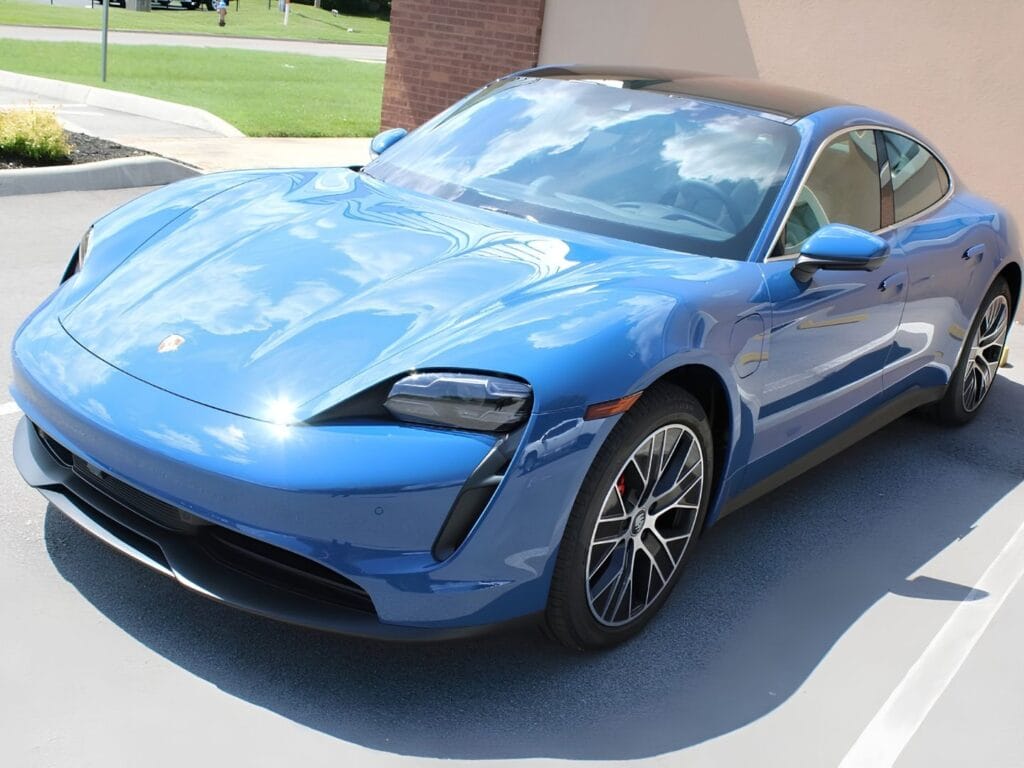
Driveway parking is common throughout Odenton, Crofton, and Severn, and it sits in between garage and street parking in terms of exposure. A few specific factors matter here:
- Direct sun exposure is a bigger factor for driveway-parked vehicles than garage-parked ones, since UV exposure over time contributes to clear-coat aging and can affect gloss.
- Proximity to trees matters more in a driveway than it might in a garage — sap, pollen, and bird droppings are common driveway issues, particularly in neighborhoods with mature tree cover.
- Surface runoff and standing water near a driveway can occasionally introduce contaminants during heavy rain, though this is a smaller factor than sun and tree exposure for most driveways.
If a driveway is your only option, the practical move isn’t to avoid it — it’s to be aware that sun and tree exposure are the two factors most worth managing, whether that’s parking a little further from low branches or being a bit more attentive to sap and droppings than a garage-parked owner would need to be.
Street Parking
Street parking, common for residents near Fort Meade and in denser parts of the service area, introduces a few additional considerations beyond sun and tree exposure:
- Higher likelihood of minor contact from passing vehicles, shopping carts, or tight parking situations, simply due to less controlled surroundings than a private driveway or garage.
- More variable surface conditions underneath the vehicle, including road salt residue in winter that may sit closer to the vehicle than it would in a private driveway.
- Less consistent shade or tree cover, which can mean more consistent sun exposure depending on the specific street and time of day.
None of this means street parking is something to be anxious about — it’s simply a different risk profile than garage or driveway parking, and it’s useful context when deciding how much protection makes sense for your specific situation and how often to inspect the vehicle for minor marks.
Parking Under Trees Specifically
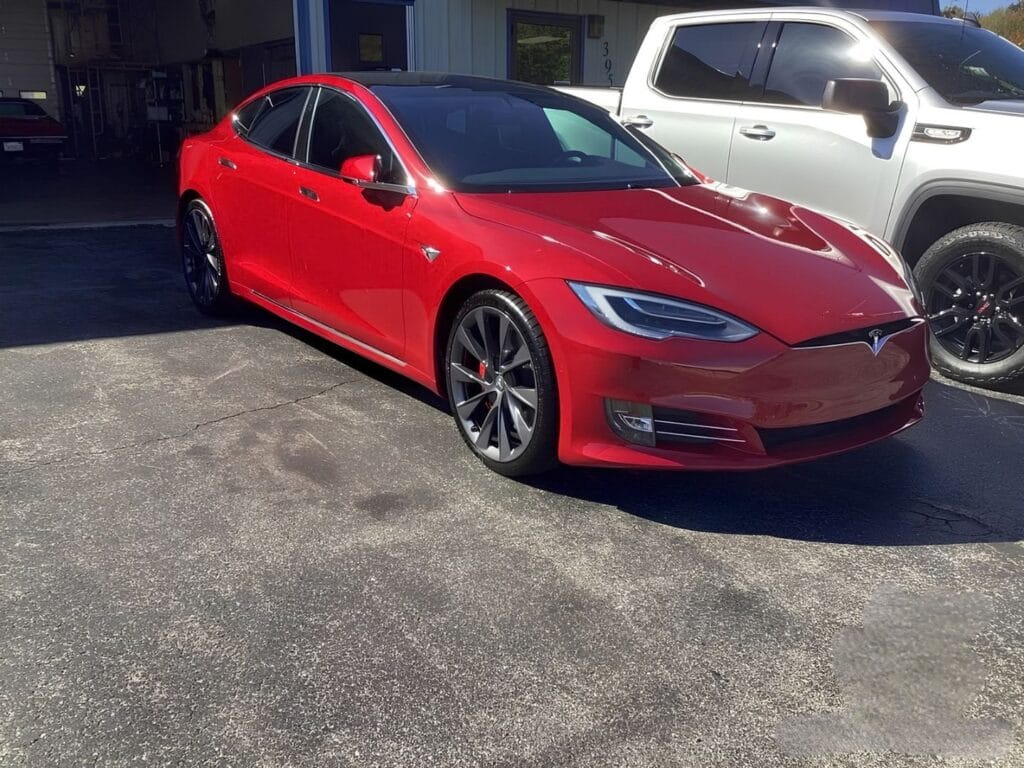
Tree cover deserves its own mention regardless of whether it’s in a driveway or a street parking situation, because it introduces a few distinct issues:
- Tree sap, which is acidic and can etch into a clear coat if left on the surface for an extended period, particularly in warm weather when sap softens and bonds more aggressively.
- Bird droppings, which are also acidic and can affect the surface if not addressed promptly.
- Falling debris, from small twigs to seed pods depending on the season, which carries a minor but real risk of surface marking.
The tradeoff is that tree cover also reduces direct UV exposure, so it isn’t purely a downside — it’s a different set of risks (organic contamination) traded for a different benefit (shade). Which one matters more depends on how often you’re able to wash the vehicle and how tolerant you are of the contamination side of that tradeoff.
How Parking Environment Connects to Protection Choices
Parking environment is a genuinely useful piece of context when thinking about ceramic coating or paint protection film. A vehicle parked outside consistently — whether in a driveway or on the street — deals with more UV exposure and organic contamination, which is the kind of wear ceramic coating’s hydrophobic, easier-to-clean surface is well suited to address. A vehicle in a tighter street-parking situation with more exposure to minor contact and road debris has more to gain from PPF’s physical impact protection on the panels most exposed to that risk.
Neither option changes what parking environment does to a vehicle — they change how well the vehicle handles it. If you want the fuller picture of what specific weather and road conditions do to paint in this region, what Maryland weather and road conditions do to paint covers that in more depth alongside this article’s parking-specific angle.
Practical Takeaways by Parking Situation
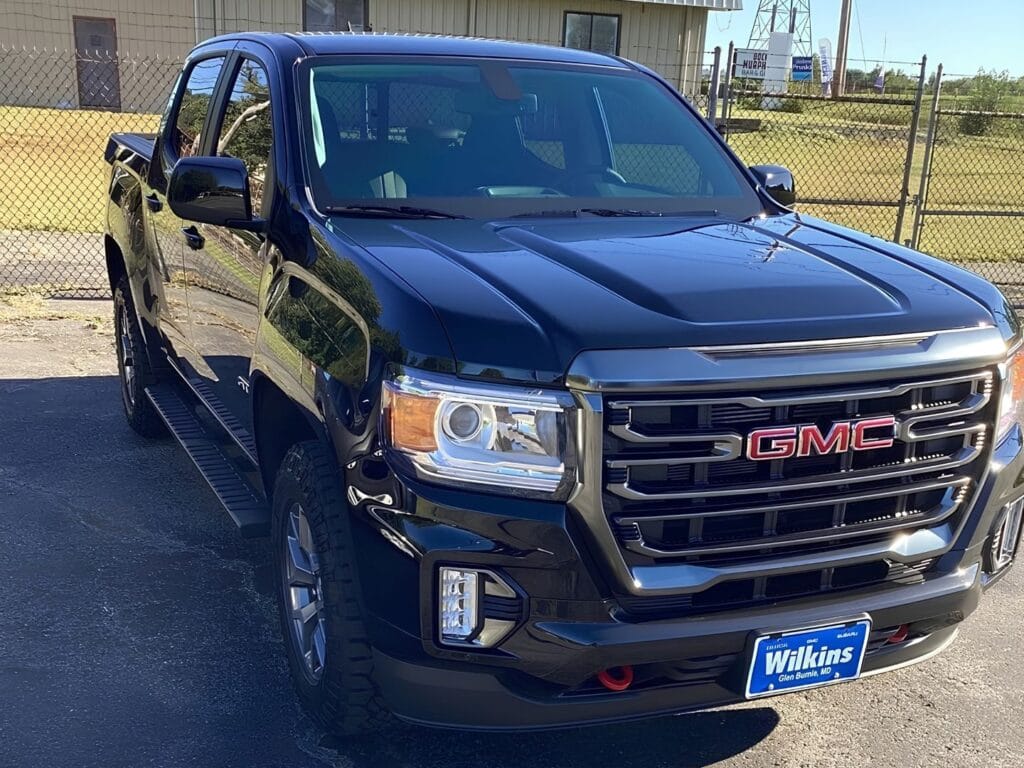
- Garage or covered parking: lowest overall exposure; focus on regular washing to remove whatever contamination is picked up during actual driving.
- Driveway parking: watch for sun exposure and tree proximity specifically; a little attention to nearby branches goes a long way.
- Street parking: slightly higher risk of minor contact and more variable surface exposure; more frequent visual checks are a reasonable habit.
- Under tree cover, regardless of location: the sap-and-droppings tradeoff is worth weighing against the UV-exposure benefit based on how often you can realistically wash the vehicle.
Conclusion
Where a vehicle spends most of its time parked is a real, if easy-to-overlook, factor in how its paint holds up over time. Garage parking offers the most protection, driveway parking introduces sun and tree considerations, street parking adds a bit more variability, and tree cover trades UV protection for organic contamination risk. None of these situations require a different vehicle-care philosophy — just an awareness of which specific risks apply to your actual parking situation so you can plan washing frequency and protection decisions accordingly.
If you’d like to talk through which protection option makes the most sense given how and where you park in Odenton, Crofton, Severn, or around Fort Meade, call Dynamic Detailing & Tint at 410-674-2430.
FAQ
Is street parking actually worse for a car’s paint than driveway parking? It carries a somewhat different risk profile — slightly higher likelihood of minor contact and more variable surface exposure — rather than being categorically worse. Driveway parking has its own considerations, particularly sun and tree exposure.
Does parking under a tree help or hurt my car’s paint? Both, in different ways. Tree cover reduces direct UV exposure but introduces sap, bird droppings, and falling debris, which carry their own risks to the surface.
If I can only park on the street, is there anything I can realistically do? Being more consistent about visual checks and washing frequency helps, and it’s useful context when deciding between ceramic coating and PPF, since each addresses a different part of the street-parking risk profile.
Does garage parking mean I don’t need ceramic coating or PPF? Not necessarily. Garage parking reduces exposure, but a vehicle still picks up contamination and physical risk during regular driving. Parking environment is one factor among several, not a substitute for protection if your priorities call for it.