Paint protection film (PPF) on a used car works best when the paint underneath is still healthy. Film is a clear physical layer that helps guard the clear coat against rock chips, road debris and light abrasion from the day it goes on. It doesn’t repair chips, hide scratches or bring back dull paint. So the useful question isn’t whether the car is too old. It’s whether the paint is worth preserving.
Four things decide the answer: the health of the clear coat, the chips and swirl marks already there, any repaint history, and how much preparation the surface needs. If you’ve just bought a used car, or you’re weighing film on one you’ve owned for years, the sections below cover what film can’t fix, what to check before accepting a quote and how to judge your own paint.
The Short Answer: Is PPF Worth It on a Used Car?
PPF is worth considering on a used car when the paint is healthy and you plan to keep the vehicle. Film tends to suit a car with an intact clear coat that takes regular highway miles or lives with street parking. It tends to be a poorer fit when the clear coat is failing, when there’s heavy existing damage you hope the film will hide, or when you expect to sell very soon.
The table below sorts the common situations into good candidates and cases that need attention first.
| A good candidate if… | Needs attention first, or may not suit, if… |
|---|---|
| The clear coat is glossy and intact | The clear coat is cloudy, peeling or cracking |
| Existing chips and scratches are minor | There are many chips, rust spots or deep scratches |
| You plan to keep the car for a while | You expect to sell soon |
| You want to prevent new damage | You want film to hide damage that’s already there |
What PPF Does and Doesn’t Do on Older Paint
PPF protects the paint you have today. It doesn’t improve it. Film helps guard against everyday hazards such as road debris, light abrasion and rock chips from the day it’s installed, and many films also have a self-healing top layer that reduces the appearance of light surface marks.
On a used car, the limits matter more. Film doesn’t remove chips that are already there, and it doesn’t reliably hide scratches. It isn’t indestructible either: hard impacts, deep cuts and accidents can still damage it and the paint beneath. Think of film on a used car as a way to help reduce future damage in the covered areas, not a way to turn back the clock. Five problems in particular deserve attention.
Chips That Are Already There
A chip is missing paint, and film doesn’t rebuild it. The chip may still be visible under the film. Ask how an installer deals with existing chips on the areas you want covered.
Swirl Marks and Scratches
Clear film doesn’t reliably hide swirl marks or scratches, and existing surface defects remain visible underneath untreated clear coat. Where swirl marks or scratches bother you, paint correction may be a separate step before film, and what’s achievable depends on the paint. Deep scratches may not fully polish out.
A Failing Clear Coat
Film isn’t a repair for a failing clear coat. If the clear coat is cracking, flaking or turning cloudy, the surface isn’t a sound foundation, and an installer may advise against film in those areas. The problem lies in the paint itself.
Dents and Rust
Film protects the surface. It doesn’t reshape a panel or treat corrosion. Both need assessment and appropriate repair before any film makes sense.
Faded or Oxidized Paint
Film doesn’t restore paint that has lost its gloss. Paint dulled by sun and age may improve with correction, depending on how far the damage goes, and film applied afterward can help protect the finish.
Why Paint Condition Matters More Than Age
Paint condition matters more than age because two cars of the same age can sit at opposite ends of the scale. A six-year-old car kept in a garage can have better paint than a two-year-old commuter that has spent its life behind highway traffic. Age and mileage are poor guides to paint; the state of the surface tells you more.
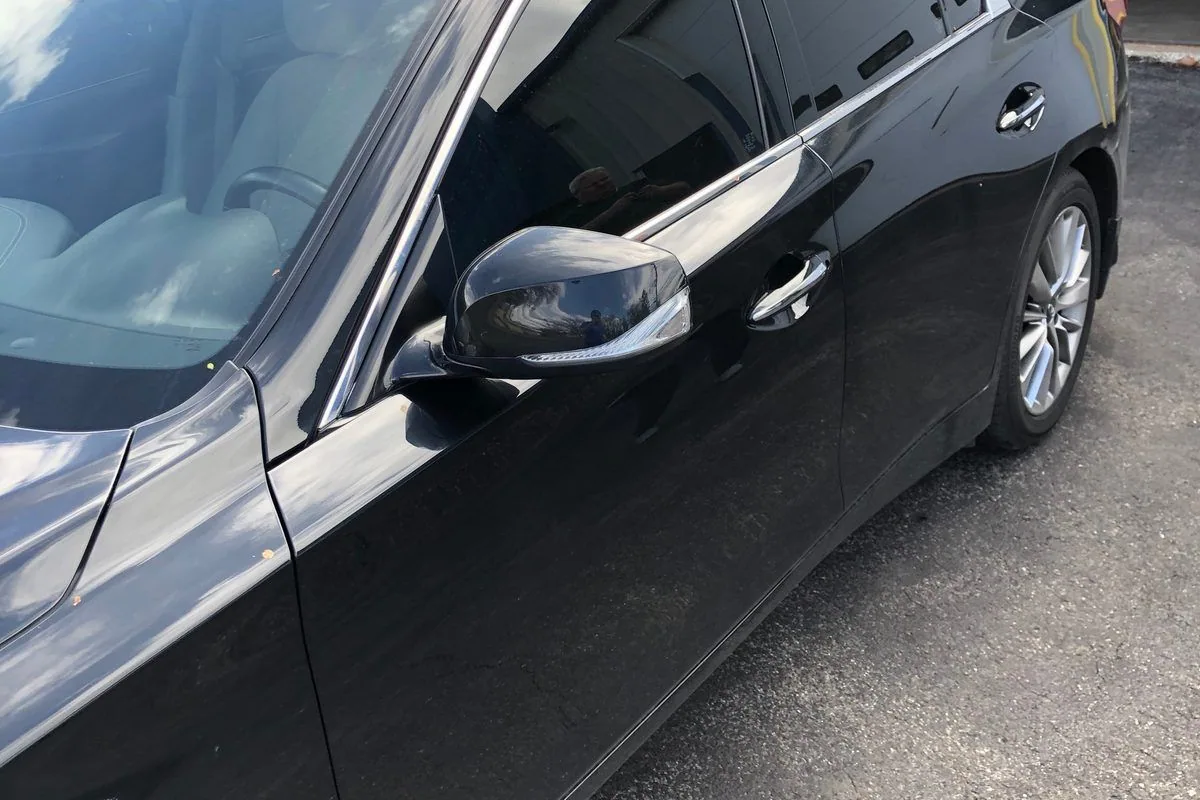
Four factors make up that picture.
- Clear coat health. Is it glossy and intact, or cloudy, peeling or cracking?
- Existing defects. How many chips, scratches and swirl marks are there, and how deep are they?
- Repair history. Have any panels been repainted, and how well was it done?
- Contamination. Is there bonded dirt or residue that needs removing first?
This is why a quote based on a description or a photo has limits.
What an Installer Should Check Before Quoting
A careful installer assesses a used car’s paint under shop lighting before recommending coverage. A thorough check typically covers six things.
- Clear coat condition. Every panel being considered, looked at in good light.
- Chips and rust spots. Especially on the front end.
- Surface defects. Swirl marks, scratches and dull patches.
- Repaint or repair. Signs that a panel has been refinished.
- Body condition. Dents, panel damage or poor panel gaps.
- Preparation. How much work each panel will need before film.
These checks describe general industry practice, and the process varies between shops. Some use tools such as paint thickness readings to help identify repainted areas. Ask any shop what it will check and how the results will affect the quote.
Why Preparation Matters More on a Used Car
Preparation matters on every vehicle, and more on a used one. Clean, decontaminated paint provides a suitable surface for film installation, and any correction you want should be considered before the film goes on. A used car often needs more of this work than a new one, which is one reason quotes for used vehicles can differ. If a quote doesn’t mention preparation, ask what’s included.
Where the Car Came From
A used car’s history shapes what its paint needs. A car bought from a dealer may have been cleaned, polished or waxed before sale, and that residue may need removing before film goes on. A car from a private seller comes with whatever care it did or didn’t receive, and you’ll often know less about it. A former lease car may have been well kept or only cleaned for return. None is better or worse by default. Judge the paint on what’s actually there.
Three Used-Car Scenarios
The same film decision plays out differently depending on the car, and three common situations show how.
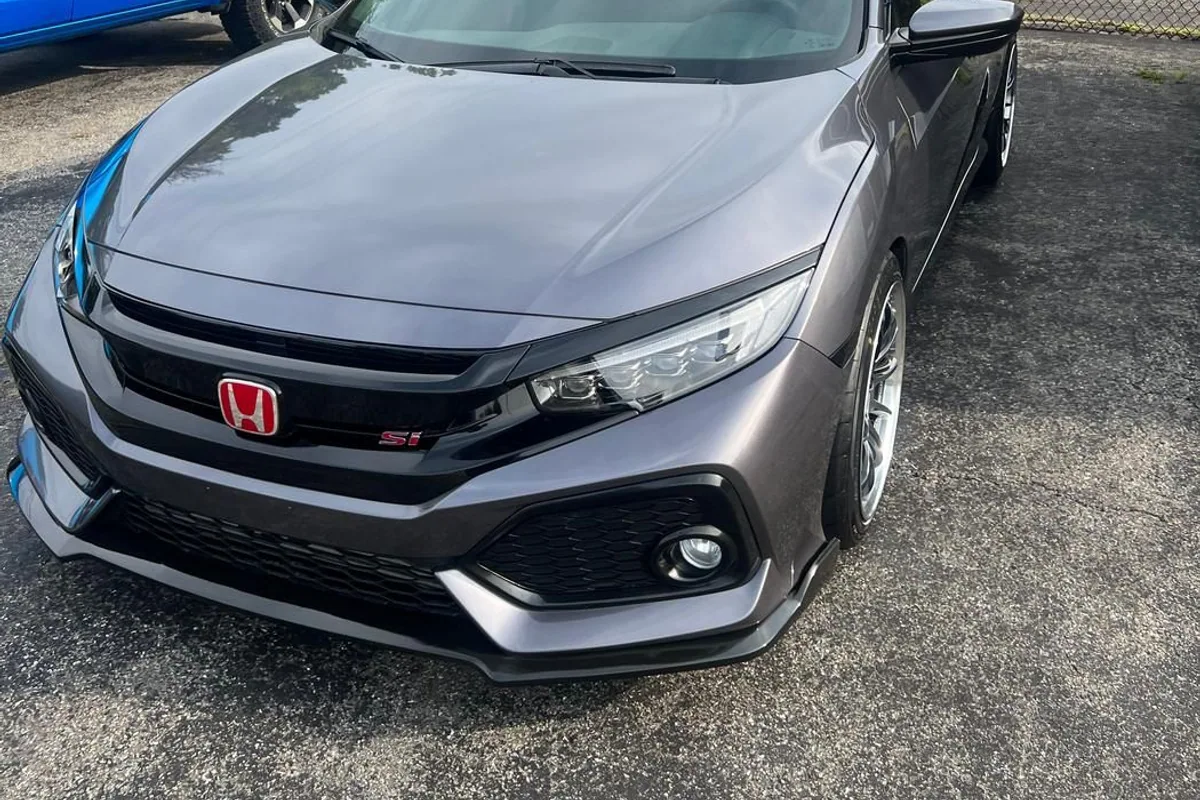
Compare where your vehicle sits across these three common ownership profiles:
- The recently bought used car with good paint. You’ve just bought a well-kept car with a few light marks and plan to keep it for years. This can be a good candidate. Film on the front end protects the paint from here on, and minor existing marks can be assessed during preparation.
- The older commuter with some chips. A car with years of highway miles already has chips on the hood and bumper. Film can help protect surrounding paint, but it won’t undo what’s there. Be clear about that before committing.
- The car you plan to sell soon. If you expect to sell within a short time, you’ll get little time with the benefit. A thorough clean and careful maintenance may serve you better than film.
How Much Coverage Makes Sense on a Used Car?
Coverage on a used car follows the same rule as on any other: protect where the car actually takes damage. For many owners that means starting with the front end and extending only if there’s a clear reason. The labels shops use, such as partial front or full front, vary, so ask for the list of panels instead of relying on a name. Quotes depend on the vehicle, the coverage and the paint’s condition, so a number given without an inspection may not tell the whole story.
If you’re unsure how much coverage to choose, compare the panel lists and the trade-offs of each level before you decide. Our paint protection film services page explains the available options.
Is Film the Right Tool at All?
Sometimes film isn’t the right tool. If your main goal is gloss and easier washing on paint that’s in good shape, a ceramic coating may fit better. It doesn’t protect against chips the way film does, but it makes cleaning easier. If your main worry is rock chips on a car you intend to keep, film is built for that. Our comparison of ceramic coating, PPF and wax explains which option solves which problem.
Check Your Own Paint First
A five-minute walk-around tells you a fair amount about your paint before you speak to anyone. It isn’t a diagnosis, but it helps you ask better questions.
A Five-Minute Self-Check
Work through these five checks in good light.
- Hood and roof. Stand at a low angle and look along each for dull or hazy patches.
- Panel surfaces. Look closely for rough-looking areas or bonded contamination, rather than rubbing dirt across the finish.
- Front end. Look closely at the front bumper, hood edge and mirrors for chips.
- Edges and handles. Check door edges and the area around handles for scuffs.
- Clear coat. Look for cloudiness, peeling or cracking. If you find any, mention it early, because it may change what’s possible.
Mistakes to Avoid
Three mistakes are worth avoiding before you book film for a used car.
- Expecting film to hide existing damage. It protects the surface. It doesn’t reliably disguise defects.
- Covering panels with failing paint. A sound surface is the foundation.
- Forgetting the exit plan. If you may sell soon, think about whether you’ll get enough time with the benefit.
A Note for Maryland Drivers
Where you drive matters as much as how old the car is. Many Maryland drivers spend long stretches on busy highways, and a higher-mileage used car may already have picked up chips from road debris. If you’re around Odenton, Crofton, Severn or Fort Meade and use routes like I-95 or the Beltway regularly, think about where your car takes the most hits. That doesn’t mean every used car needs film. Your own driving is a better guide than age alone. For a local starting point, our pages on paint protection film in Severn and PPF for Crofton drivers outline the options.
Questions to Ask Before Choosing PPF for a Used Car
These questions show how a shop thinks about your car’s paint, and the answers matter more than the label on the package.
- Assessment. How will you assess the paint before quoting?
- Exclusions. Are there areas of my car you’d advise against covering, and why?
- Existing chips. How do you handle existing chips on the panels I want covered?
- Preparation. What preparation or correction would my car need first?
- Edges. Where will the edges end, and will any seams be visible?
- Aftercare. What aftercare should I expect to do?
A shop that gives plain answers, including “this panel isn’t suitable,” helps you make a more informed decision. If your goal turns out to be gloss and easier washing rather than chip protection, our ceramic coating service is the option to compare.
What to Do Next
Five steps turn this into a decision.
- Look over the paint. Note chips, scratches and dull areas in good light.
- Be clear on your goal. Are you protecting paint you like or hoping to fix paint you don’t?
- Ask for an assessment. Get one before you accept a quote.
- Compare by panel list and preparation, not just total.
- Match the tool to the goal. Film, a coating or careful washing may fit.
Frequently Asked Questions
Can you put PPF on a used car?
Yes, provided the paint is in suitable condition. The condition of the clear coat and any existing damage matter more than the car’s age or mileage.
Is PPF worth it on a high-mileage car?
It depends on the paint, not the odometer. If the paint is still in good condition and you plan to keep the car, film can be worth it. Mileage on its own isn’t the deciding factor. Paint condition and how you drive are.
How do I know if my paint is good enough for PPF?
Look for a glossy, intact clear coat with only light marks. Cloudy, peeling or cracking paint, rust and heavy chipping are warning signs. An in-person assessment is the most reliable check.
Should I fix scratches before getting PPF?
If they bother you, generally yes. Film preserves the appearance of the underlying surface, so any suitable correction should be considered before it goes on. Deep scratches may not be fully removable.
Does PPF hide existing chips and scratches?
No. Clear film doesn’t reliably hide defects, and chips may still be visible under it. Scratches and swirl marks are better assessed before film is applied.
Can PPF be applied over repainted panels?
It depends on the quality, curing history and condition of the repaint. Ask the installer how they assess previously repainted areas and whether they’d advise covering them.
Discuss PPF for Your Used Vehicle
If you’d like to talk through film on your used car, call Dynamic Detailing & Tint at (410) 674-2430, or read our guide to whether PPF is worth the investment for the broader value discussion. You can also compare partial front, full front, and full-body PPF coverage options or explore auto detailing in Odenton.