Heat Management Considerations
Quality window film can meaningfully reduce solar heat buildup inside a vehicle’s cabin, which matters most for owners who regularly park outdoors in direct sun or drive frequently during warmer months of the year. The degree of heat-management benefit depends on the specific film’s construction — as covered in more depth in how ceramic and conventional window film actually differ, heat rejection is fundamentally a function of film technology, not simply visible darkness on its own. An owner who parks in a garage most of the time and rarely deals with a genuinely hot cabin has considerably less to gain from this specific benefit than one who’s frequently getting into a sun-baked vehicle in an open parking lot after work.
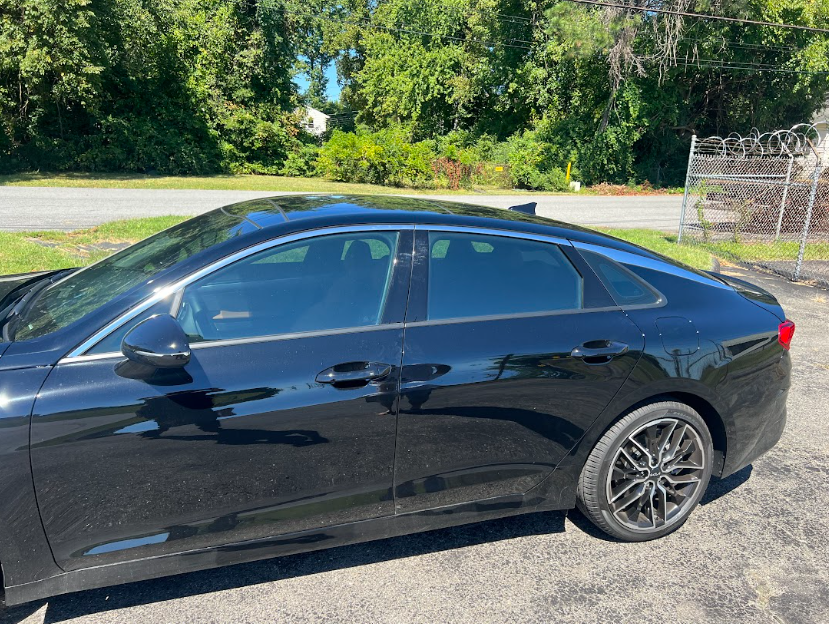
The practical difference this makes is worth being concrete about: a vehicle without tint parked in direct summer sun for several hours can reach cabin temperatures considerably higher than one with quality heat-rejecting film installed, affecting both immediate comfort upon entering the vehicle and how hard the air conditioning system has to work to bring the cabin back to a comfortable temperature. For owners who spend meaningful time in a hot vehicle before the AC catches up, this is a genuinely tangible, everyday quality-of-life benefit rather than an abstract technical specification.
UV Exposure and Interior Protection
Quality film can block a meaningful portion of UV radiation passing through vehicle glass, which contributes to genuinely reduced fading of dashboards, seats, and interior trim over time, along with some real reduction in UV exposure for occupants during regular, everyday driving. This benefit compounds over years of ownership — a vehicle kept for a decade benefits considerably more cumulatively from UV protection than one owned for only a year or two before being sold or traded to a new owner.
Interior fading is a genuinely gradual process that’s easy to overlook in the moment but becomes obvious in hindsight — a dashboard or seat material that’s been protected from years of direct UV exposure typically shows meaningfully less discoloration and material degradation than one that hasn’t, which can matter both for daily enjoyment of the vehicle and for resale condition down the line.
Glare and Driving Comfort
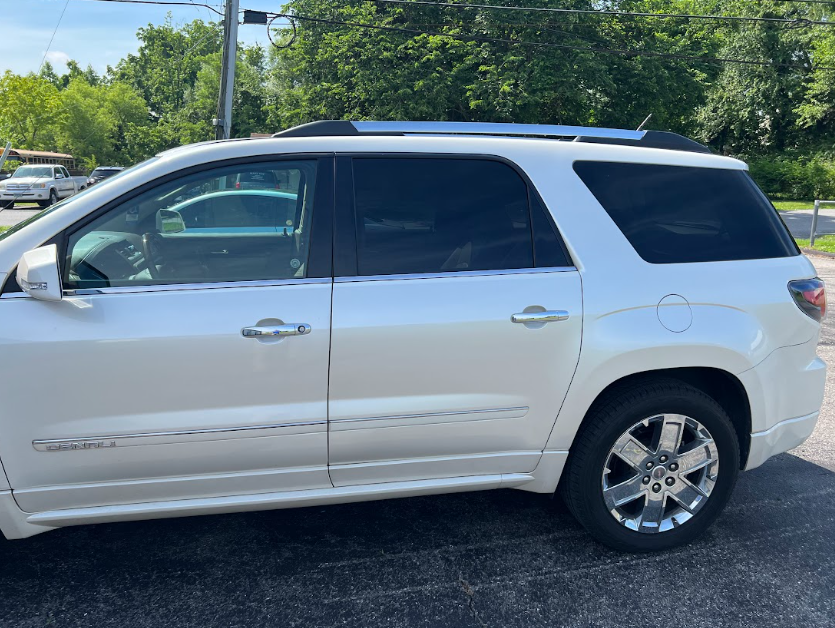
Tint reduces the overall amount of visible light entering the cabin, which can make driving into low sun, dealing with reflected light off other vehicles, or general bright-daylight conditions noticeably more comfortable during a normal day of driving. This isn’t a safety guarantee, and direct low-angle sun can still be genuinely uncomfortable even through well-performing tinted glass — but the reduction in overall glare is a real, noticeable benefit for many daily drivers, particularly those with long commutes facing consistent directional sun exposure during specific times of day, like an eastbound morning commute or a westbound evening drive home.
Privacy and Appearance
Tint genuinely increases privacy by making it harder to see into a vehicle’s interior, particularly during daytime driving and parking conditions. This benefit varies by how dark the film is and by ambient lighting conditions at any given moment — the same tint that provides strong daytime privacy may offer noticeably less privacy at night with interior lights on and exterior light low, since the underlying light-transmission physics work somewhat differently under those reversed conditions. Appearance is also a real, if more subjective, motivation for many customers — tint genuinely changes how a vehicle looks, and that’s a legitimate, valid reason to consider it independent of any functional benefit discussed elsewhere in this article.
Film Quality and Installation Quality Both Genuinely Matter
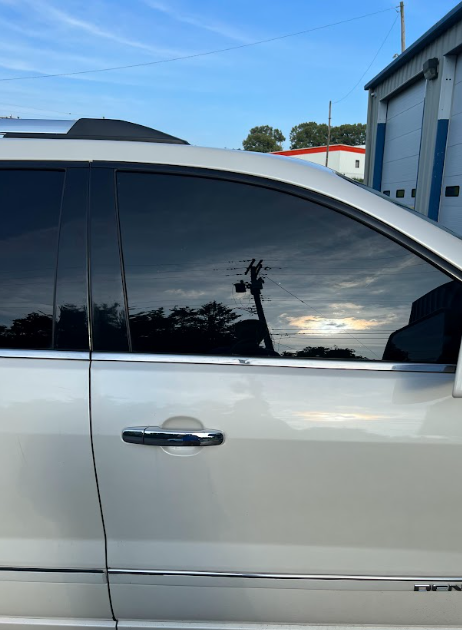
The benefits described above depend on both the film’s actual construction and how well it’s installed by the technician doing the work. A high-quality film installed poorly can genuinely underperform a more modest film installed correctly, since bubbling, improper edge trimming, or trapped contamination all affect both appearance and functional performance meaningfully over time. This is worth factoring into any cost consideration from the outset — the installer’s actual skill and experience matter just as much as which specific film product is ultimately chosen for the job.
Darkness vs. Performance: Don’t Confuse the Two
As covered in more depth in how ceramic and conventional window film actually differ, how dark a film looks and how well it genuinely performs in terms of heat and UV rejection are related but genuinely distinct characteristics that shouldn’t be conflated. Choosing tint purely by preferred darkness, without asking directly about the actual film construction and its documented performance specifications, means you might not actually be getting the heat or UV benefit you believe you’re paying for.
Ownership Length and Parking Conditions
How long you plan to keep the vehicle and where it typically parks both reasonably factor into whether tint is genuinely worth the investment for your specific situation and budget. An owner planning long-term ownership, parking predominantly outdoors, gets meaningfully more cumulative benefit from UV and heat protection than one planning a considerably shorter ownership period or one who mostly parks in a garage away from direct sun exposure. Daily driving patterns matter too — a vehicle spending significant time in direct sun during a regular commute genuinely benefits differently than one used only occasionally for shorter errands.
Putting these factors together: an owner who plans to keep a vehicle for many years, parks outdoors regularly, and commutes daily through direct sun exposure is in the strongest position to benefit from tint’s full range of advantages. An owner planning to sell the vehicle within a year, who parks in a garage and drives infrequently, has a genuinely weaker case for prioritizing tint over other vehicle-care investments, though privacy and appearance may still matter to that owner regardless of the more functional considerations.
Maintenance Considerations
Properly installed film generally requires minimal specific maintenance beyond normal glass cleaning with appropriate, ammonia-free products, since ammonia-based cleaners can genuinely affect certain film types over time by breaking down the adhesive or the film material itself. Beyond that specific consideration, tinted windows are cared for similarly to untinted ones as part of routine auto detailing, without requiring a fundamentally different cleaning routine or specialized products beyond that one meaningful exception.
It’s also genuinely worth avoiding abrasive cleaning tools directly on freshly installed film during the initial curing period following installation, since the adhesive bond needs real time to fully set before the film can reliably withstand the same handling as fully cured, older film that’s had time to bond completely. Most reputable installers provide specific, clear guidance on this initial care window at the time of installation, which is genuinely worth following closely and carefully for the best possible long-term result and film longevity.
Legal Considerations
Maryland window tint requirements vary by vehicle and window position. Drivers should verify current Maryland requirements before selecting film, since legal limits genuinely differ depending on which windows are being tinted and the type of vehicle involved, and these requirements can change over time independent of anything a specific installer or product page might state. This is a genuinely important step to take seriously rather than simply treat as a formality, since installing film that doesn’t meet current legal requirements can result in real, tangible consequences down the road, regardless of how satisfied you personally are with the tint’s actual performance and appearance.
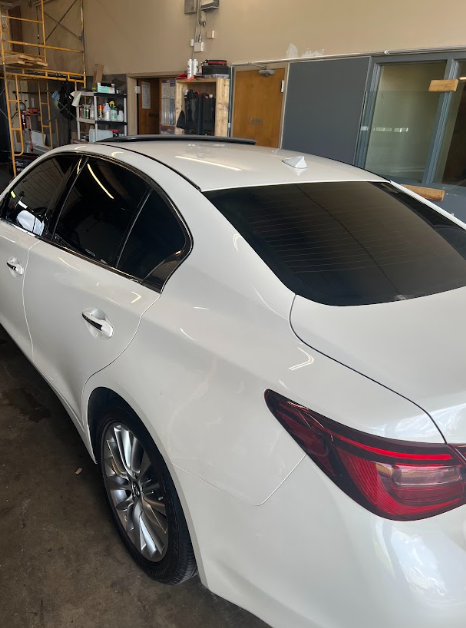
Confirming current, specific requirements directly with an installer or an official Maryland government source before installation is a considerably more reliable approach than relying on a general assumption about what’s permitted, information from a different state’s requirements, or outdated information from a previous vehicle or previous years. A reputable installer should be able to speak knowledgeably about current requirements as they apply specifically to your vehicle type and the window positions you’re considering, and should be willing to have that conversation directly rather than leaving you to research it entirely on your own.
Questions to Ask Before Deciding
Before deciding whether tint is genuinely worth it for your specific vehicle, it’s reasonable to ask about the film construction being recommended and why that specific option makes sense for your situation, what documented heat and UV performance it actually offers based on manufacturer specifications rather than marketing language, what current Maryland legal requirements apply to your specific vehicle and the window positions you’re considering, and what installation warranty is offered against issues like bubbling, edge lifting, or discoloration over time. Clear, specific answers to these questions help translate the general benefits covered throughout this article into an actual decision that fits your particular situation, rather than a generic yes based on benefits that may or may not apply strongly to how you personally use your vehicle.
It’s also genuinely worth asking directly how the installer handles warranty claims if an issue does arise after installation is complete, since a genuine, honest answer to this specific question tends to reveal a lot about how confident the business truly is in its own installation quality and the products it chooses to use.
Bringing These Factors Together
Ultimately, whether tint is worth it comes down to an honest assessment of your own specific situation: how much direct sun exposure your vehicle actually experiences, how long you plan to keep it, how much you personally value the privacy and appearance changes tint provides, and whether you’re willing to invest in quality film and professional installation to get the full range of benefits discussed here. An owner who genuinely checks several of these specific boxes has a considerably stronger case for tint being worth the investment than one for whom most of these particular factors don’t meaningfully apply at all.
Tint is one part of a broader vehicle appearance and protection approach that also includes ceramic coating for painted surfaces and paint protection film for physical impact protection — the three services address entirely separate parts of the vehicle rather than overlapping in function in any way, so choosing one doesn’t substitute for the others if you genuinely have concerns each is specifically designed to address. For Crofton-area drivers specifically, vehicle care considerations for the local area covers additional regional context genuinely worth knowing as part of a truly complete vehicle-care approach overall.
FAQs
Is window tint actually worth paying for? It depends on your specific situation — how much you drive in direct sun, how long you’ll own the vehicle, and how much you value privacy and glare reduction. It’s a genuine, real benefit for many owners, but the degree of value depends on these individual factors.
Does window tint really reduce interior heat? Yes, meaningfully, though the degree depends on the specific film’s construction rather than how dark it looks. Quality film can make a real difference in cabin temperature, particularly for vehicles parked in direct sun regularly.
Does tint protect against UV damage to the interior? Yes. Quality film can block a meaningful portion of UV radiation, which contributes to reduced fading of interior materials over time and some reduced UV exposure for occupants.
Is darker tint always better? Not necessarily. Darkness affects appearance and privacy, but heat and UV performance depend on the film’s actual construction, not simply how dark it looks.
What are Maryland’s window tint laws? Maryland window tint requirements vary by vehicle and window position. Drivers should verify current Maryland requirements before selecting film, since specific legal limits can vary and change over time.
Does tint require special maintenance? Minimal — avoid ammonia-based glass cleaners, which can affect certain film types over time, and otherwise care for tinted windows as part of normal vehicle cleaning.
How is window tint different from ceramic coating or PPF? They address entirely separate parts of the vehicle. Tint affects window glass; ceramic coating affects painted surface behavior and gloss; PPF provides physical impact protection on specific panels. None of the three substitutes for the others.