What Automotive Window Film Actually Is
Automotive window film is a thin material applied to the interior surface of vehicle glass, designed to affect how light, heat, and UV radiation pass through the window. Film comes in different construction types — dyed, metalized, and ceramic (sometimes called nano-ceramic) being among the most commonly discussed categories — and each construction type has genuinely different performance characteristics independent of how dark a specific roll of film happens to be tinted. Understanding these categories before shopping tends to produce a much more informed decision than comparing options purely by their visible shade in a sample book.
Dyed film is generally the most affordable construction type, using dye layers to reduce visible light transmission and add some level of privacy and glare reduction. It typically offers more limited heat-rejection and UV performance compared to the other two categories, though it remains a genuinely reasonable choice for owners whose primary concern is appearance and basic glare reduction at a lower price point.
Metalized film incorporates tiny metallic particles into its construction, which can meaningfully improve heat rejection compared to dyed film. The tradeoff is that these conductive metal particles can, in some cases, interfere with radio, GPS, or cellular signals — a genuine practical consideration covered in more depth further in this article.
Ceramic (or nano-ceramic) film uses non-conductive ceramic particles instead of metal, which is generally associated with strong heat-rejection and UV-blocking performance without introducing the signal-interference concerns metalized film can carry.
What “Ceramic Tint” Actually Means
“Ceramic tint” describes film that incorporates ceramic particles into its construction, rather than relying primarily on dye or metal particles for its light-management properties. This construction approach is generally associated with strong heat-rejection and UV-blocking performance without the signal-interference concerns that metalized film can introduce, since ceramic particles are genuinely non-conductive in a way metal particles are not. This is a meaningful, real technology distinction — not simply a marketing label applied to any film that happens to look dark or premium in a showroom sample.
It’s worth being direct about this, since “ceramic” has become something of a buzzword across the broader automotive care industry, appearing in everything from coatings to waxes to window film. In the specific context of window film, the term refers to an actual, distinct construction category with genuinely different underlying material properties — not simply a premium label attached to any darker or more expensive product on the shelf.
Does Darker Tint Automatically Mean Better Heat Rejection?
Not necessarily. This is the central point worth understanding before comparing options at all: visible light transmission (VLT), which determines how dark a film looks to the eye, and heat-rejection performance are related but genuinely not the same measurement. A well-constructed ceramic film at a lighter VLT can meaningfully outperform a poorly constructed dyed film at a much darker VLT, since the underlying technology — not the visible shade — is what actually determines how much heat and UV radiation the film genuinely blocks. Choosing tint purely by how dark it looks, without considering the actual film construction underneath that appearance, can mean paying for a certain look without necessarily getting the performance that look seems to promise.
This misconception is understandable, since darkness is the most immediately visible characteristic of any tint and the easiest thing to compare across a sample book at a glance. But two films with identical VLT ratings — meaning they look equally dark side by side — can have meaningfully different heat-rejection and UV-blocking performance depending entirely on their underlying construction, which is invisible to the naked eye and only revealed through the film’s actual documented specifications.
Ceramic Film vs. Conventional Film: A Direct Comparison
| Factor | Conventional / Entry-Level Film | Ceramic Film |
|---|---|---|
| Appearance | Can achieve similar visible darkness | Can achieve similar visible darkness |
| Heat-management potential | Generally lower, depending on construction | Generally associated with stronger heat rejection |
| UV performance | Varies by construction; dyed film generally offers less UV protection than ceramic | Generally associated with strong UV-blocking performance |
| Signal interference considerations | Metalized film can interfere with radio, GPS, or cellular signals; dyed film generally does not | Ceramic particles are non-conductive, generally avoiding the signal-interference concerns associated with metalized film |
| Cost considerations | Generally lower cost | Generally higher cost, reflecting the more advanced construction |
| Best suited for | Owners primarily focused on appearance and privacy at a lower cost point | Owners prioritizing heat/UV performance alongside appearance |
UV Protection Considerations
Quality window film, particularly ceramic construction, can provide meaningful UV-blocking performance, which contributes to reduced interior fading and some genuine reduction in UV exposure for vehicle occupants during regular driving. Exact UV rejection figures vary by specific film product and should be confirmed against the manufacturer’s actual documentation rather than assumed based on the general film category alone, since even within the ceramic category, different specific products can have somewhat different documented performance figures.
UV exposure passing through untinted glass is a real, genuinely ongoing contributor to interior fading over an extended period of time — dashboards, seats, and trim all show wear from cumulative sun exposure faster without film protection in place. This is one of the more consistently well-supported practical benefits of quality window film generally, regardless of which specific construction category is ultimately chosen, though ceramic film’s typically stronger UV performance makes this benefit more pronounced compared to basic dyed film.
Signal Interference: A Real but Often Overlooked Factor
Metalized film’s conductive particles can, in some cases, interfere with radio reception, GPS signals, or cellular connectivity, particularly on vehicles that rely on window-mounted antennas rather than antennas mounted elsewhere on the vehicle body. This is one of the more practical, often-overlooked reasons some owners specifically choose ceramic or dyed film over metalized options, independent of any heat-rejection consideration entirely.
This consideration genuinely matters more for some vehicles than others — a vehicle with a traditional external antenna faces meaningfully less risk than one relying entirely on window-embedded antenna elements for radio or cellular reception on a daily basis. Asking directly whether a specific vehicle’s antenna configuration genuinely makes this a real concern is a reasonable step before choosing metalized film specifically, rather than simply assuming it will or won’t be an issue in practice.
Optical Clarity and Glare
Film quality also affects optical clarity — how clearly you can see through the tinted glass, particularly at night when visibility matters most for safe driving. Lower-quality film construction can introduce a hazy or distorted appearance over time, sometimes described as a “purple” or discolored tint as lower-quality dyed film ages and degrades under UV exposure. This is a genuine quality consideration separate from both darkness and heat-rejection performance, and it’s one of the more common complaints associated with lower-cost film that hasn’t been properly manufactured or installed.
Glare reduction, meanwhile, is a benefit shared across all film construction types to varying degrees, since it’s primarily a function of how much visible light the film actually blocks overall rather than the specific underlying technology used to achieve that particular reduction in any given product.
Why Installation Quality Matters as Much as Film Choice
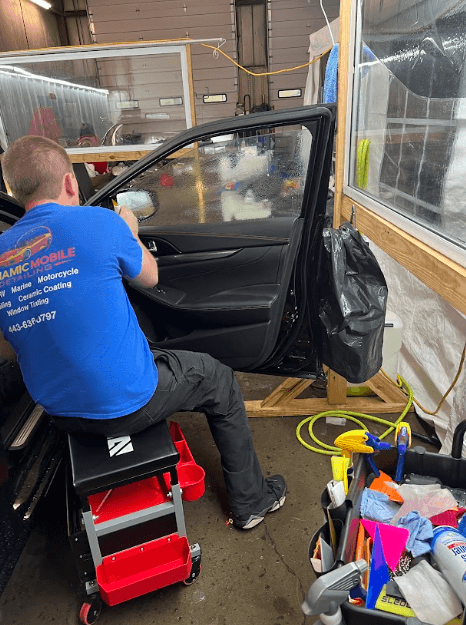
Even genuinely high-quality film can underperform if installed poorly — bubbling, improper edge trimming, or contamination trapped beneath the film during installation all affect both appearance and how well the film performs and holds up over time throughout its intended lifespan. Choosing the right film technology is only part of the decision; installation quality determines whether that film actually delivers on its intended performance in practice, regardless of how good the underlying product specifications look on paper.
A poorly installed premium ceramic film can genuinely underperform a well-installed conventional film in terms of both appearance and longevity, which is why installer skill and experience deserve real consideration alongside the film technology question this article primarily focuses on. Bubbling and edge lifting aren’t merely cosmetic issues either — they can genuinely allow moisture and contamination to work their way beneath the film over time, meaningfully accelerating whatever degradation would otherwise happen much more slowly and gradually under a properly sealed, professionally completed installation.
Questions Worth Asking Before Choosing Tint
Before choosing a specific film, it’s reasonable to ask what construction type is being recommended and genuinely why, what the film’s actual documented heat-rejection and UV performance figures are (rather than relying purely on how dark it looks in a sample), whether the specific film has any documented signal-interference considerations relevant to your vehicle, and what installation warranty is actually offered against issues like bubbling or edge lifting. Getting clear, specific answers to these questions tends to produce a considerably more informed decision than choosing based on price or darkness alone.
It’s also genuinely reasonable to ask how long the specific installer has been working with the film brand being recommended, and whether they can show real examples of past installations to evaluate edge quality and overall finish firsthand. A confident, specific answer to these questions is generally a good sign that film selection and installation quality are both being taken seriously, rather than treated as an afterthought behind whichever film happens to be in stock that week.
For ongoing vehicle care considerations that apply regardless of which film you ultimately choose, routine auto detailing remains part of a genuinely complete vehicle-care approach, and Crofton-area drivers specifically may find vehicle care considerations for the local area useful for broader regional context. If tint is being considered alongside ceramic coating as part of a broader vehicle-appearance strategy, it’s worth knowing the two address entirely separate parts of the vehicle — window glass versus painted exterior surfaces — rather than overlapping in function or competing for the same protective role. And if you’re still deciding whether window tint is actually worth the investment in the first place, before even getting to the ceramic-versus-conventional question this article focuses on, that broader decision is covered separately in this same content series.
FAQs
What does “ceramic tint” actually mean? It refers to film constructed with ceramic particles rather than dye or metal particles, generally associated with strong heat-rejection and UV-blocking performance without the signal-interference concerns of metalized film.
Does darker window tint block more heat? Not necessarily. Heat-rejection performance depends on film construction and technology, not simply how dark the film appears. A well-constructed lighter film can outperform a poorly constructed darker one.
Does metalized tint interfere with GPS or radio signals? It can, in some cases, since metalized film’s conductive particles may affect signal reception, particularly on vehicles with window-mounted antennas. Ceramic and dyed film generally don’t share this concern.
Is ceramic tint worth the higher cost compared to conventional film? It depends on your priorities. If heat and UV performance matter more to you than minimizing upfront cost, ceramic film’s construction generally offers genuine advantages over conventional dyed film.
Can I tell film quality just by looking at it? Not reliably. Appearance alone doesn’t reveal construction type or performance specifications — asking directly about the film’s documented specifications is more reliable than visual inspection.
Does film construction affect optical clarity? Yes. Lower-quality film can introduce haziness or distortion over time, which is a genuine quality consideration separate from both darkness and heat-rejection performance.
What should I ask an installer before choosing tint? Ask about the specific film construction type, its documented heat-rejection and UV performance, any signal-interference considerations, and the installation warranty offered.